
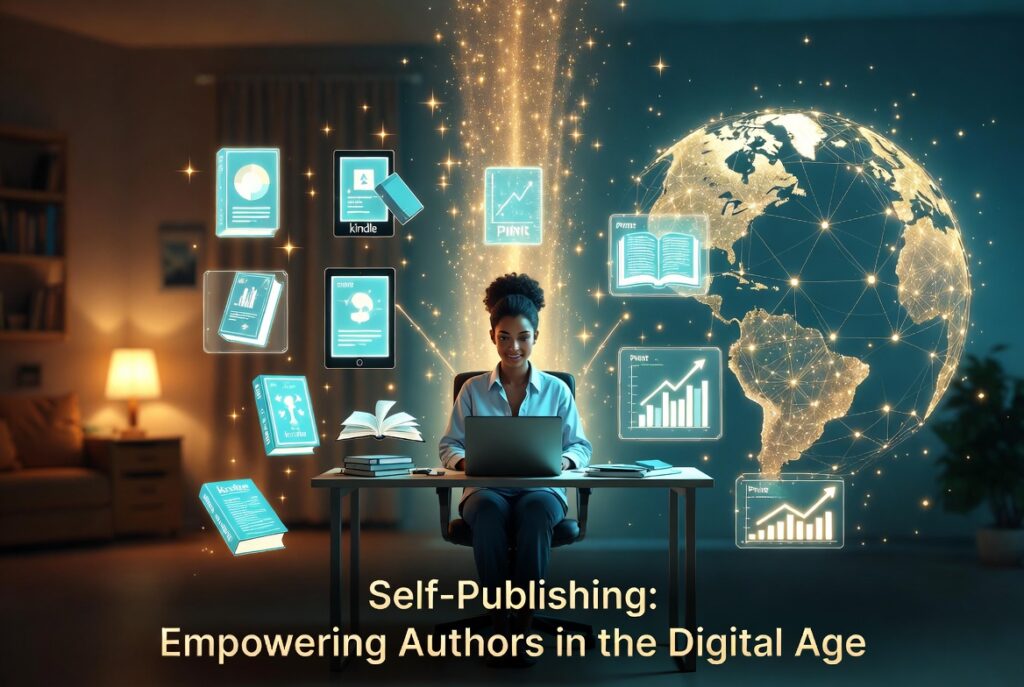
The publishing world has undergone a seismic shift. Once dominated by gatekeepers and long submission waits, the industry now belongs increasingly to the authors themselves. Self-publishing — the process of independently producing and distributing books without a traditional publisher — has evolved from a last resort into a powerful, profitable, and preferred path for millions of writers worldwide.
Today, self-published authors control their creative vision, timelines, and earnings like never before. With the right tools and strategy, anyone with a story can reach global readers directly.
The Explosive Growth of Self-Publishing
The numbers paint a clear picture of momentum. In the US alone, over 2.6 million self-published titles with ISBNs were released in 2023, reflecting a 7.2% year-over-year increase and more than doubling in the past decade. Globally, the self-publishing market is booming: valued at approximately $1.85–2.16 billion in 2024–2025, it is projected to grow at a 16.7% CAGR, reaching over $6.16 billion by 2033.
Self-published books now account for a massive share of new releases — far outnumbering traditional titles in many categories. Hundreds of millions of self-published books are sold annually, generating billions in combined revenue. This surge is fueled by accessible platforms, print-on-demand technology, and digital distribution that eliminate the high barriers of the past.
Why Authors Are Choosing Self-Publishing
Self-publishing offers compelling advantages over the traditional route:
- Higher Royalties: Authors typically earn 60–70% on ebooks and 40–60% on print books through platforms like Amazon KDP, compared to the 8–15% common in traditional deals (after agent fees).
- Full Creative Control: You decide the cover, title, pricing, editing, and marketing strategy — no compromises with editors or marketing teams.
- Speed to Market: A book can go from finished manuscript to live sales in weeks or months, versus 12–24 months (or longer) in traditional publishing.
- Direct Reader Access: Build your own audience through email lists, social media, BookTok, and direct sales. Many successful indies earn significantly more than the average traditionally published author (median indie author income reported around $13,500 in recent surveys, with top earners making six or seven figures).
- Hybrid Opportunities: Strong self-published performance often leads to traditional deals. In 2025, the number of traditional publishers acquiring rights from successful indie authors grew notably, with competitive multi-book offers.
Genres like romance, romantasy, thrillers, and nonfiction perform especially well, where rapid release schedules and direct marketing shine.
Key Platforms Powering the Movement
Several user-friendly platforms dominate the space in 2026:
- Amazon Kindle Direct Publishing (KDP): The giant, commanding a huge share of ebook and print sales. Ideal for Kindle Unlimited access and fast global reach.
- IngramSpark: Excellent for wide print distribution to bookstores, libraries, and independent retailers worldwide.
- Draft2Digital: A popular aggregator for “going wide” — distributing ebooks to Apple, Barnes & Noble, Kobo, and more, with simple tools and library access.
Other options include PublishDrive, Lulu, and specialized services for audiobooks or premium print. Many authors use a combination: KDP for Amazon dominance and wide distributors for broader reach.
The Role of Technology and AI
The digital age has lowered costs dramatically. Print-on-demand means no large upfront inventory. AI tools now assist with editing, cover design concepts, formatting, keyword research, and even audiobook narration — making professional-quality production more affordable than ever. However, human expertise in developmental editing and marketing still drives long-term success.
Marketing has also democratized: successful self-publishers invest in professional covers, targeted ads (Amazon, Facebook, TikTok), email newsletters, and community building on platforms like BookTok.
Challenges and Realistic Expectations
Self-publishing is empowering, but it’s not passive. Authors become entrepreneurs — handling (or outsourcing) editing, design, marketing, and business tasks. Discoverability remains competitive, and most books sell modestly. Success usually comes from building a backlist, consistent releases, and treating writing as a business.
Median earnings vary widely, but dedicated authors who master marketing and audience growth frequently outperform traditional averages in the long run.
The Future Belongs to Empowered Authors
As we move further into 2026 and beyond, self-publishing continues to reshape literature. It fosters diversity of voices, faster innovation in storytelling (think rapid romantasy releases), and stronger direct connections between authors and readers.
Whether you’re a first-time novelist, a nonfiction expert, or a genre writer chasing the next viral hit, the tools exist today to bring your work to the world on your terms.
The digital age hasn’t just changed publishing — it has democratized it.
Ready to take the leap? What’s holding you back from self-publishing your book, or what has been your experience if you’ve already done it? Share your thoughts, favorite platforms, or success tips in the comments. The indie author community is incredibly supportive and full of valuable advice.
Write boldly, publish confidently — your story deserves to be told.
(If you’re building a content series, this pairs beautifully with posts on romantasy trends and the audiobook surge, as many self-published authors thrive in those spaces through audio rights and fast genre releases.)