
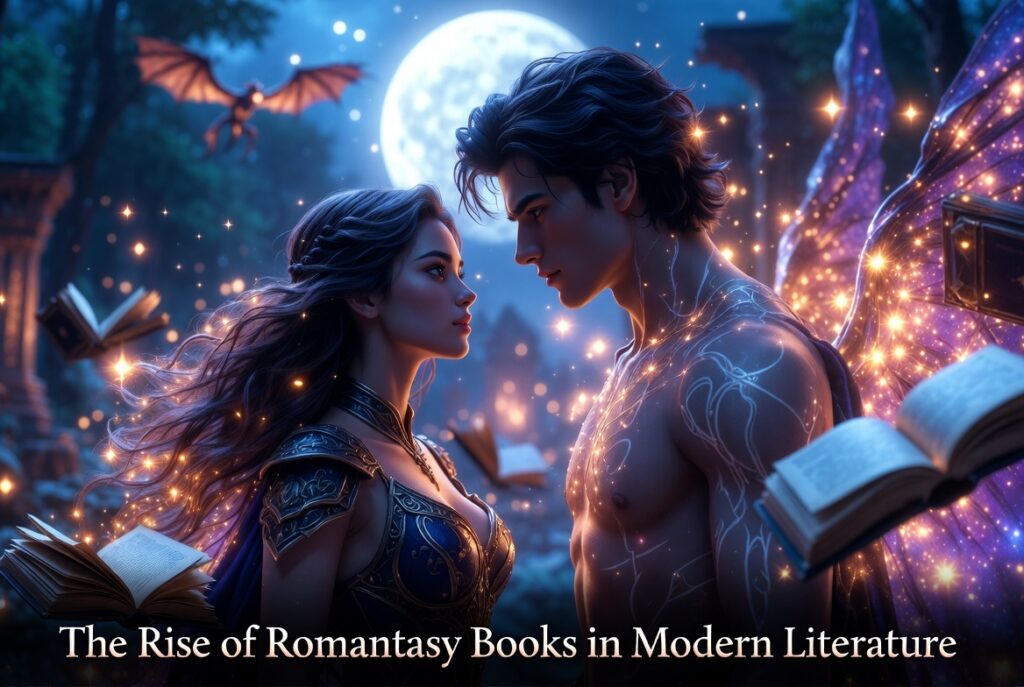
In recent years, a new literary phenomenon has swept bookshelves, bestseller lists, and social media feeds: romantasy. This portmanteau of “romance” and “fantasy” describes stories that weave epic magical worlds, mythical creatures, and high-stakes adventures with deeply emotional, often steamy romantic relationships at their core. What began as a niche subgenre has exploded into one of publishing’s biggest powerhouses, driving sales surges in fantasy and romance alike.
What Exactly Is Romantasy?
At its heart, romantasy balances two beloved genres without subordinating one to the other. Fantasy elements—complex world-building, magic systems, dragons, fae courts, and prophecies—provide the backdrop and conflict. Romance supplies the emotional engine: slow-burn tension, enemies-to-lovers arcs, fated mates, and characters who find love amid chaos. Unlike traditional high fantasy, where romance might be a subplot, or category romance, where the relationship dominates, romantasy treats both as essential. The result? Addictive page-turners that promise both wonder and heartfelt connection, often with “spice” levels ranging from sweet tension to explicit passion.
Roots of the genre stretch back centuries. Medieval chivalric tales like Le Morte d’Arthur blended knightly quests with courtly love and magical elements. Gothic fiction added dark desire, while 20th-century works like Emma Bull’s War for the Oaks (1987) modernized the blend. The term “romantasy” itself appeared on Urban Dictionary as early as 2008, but it gained mainstream traction in the 2020s.
The Spark That Ignited the Boom
The true explosion happened around 2023, fueled by BookTok—TikTok’s vibrant book community. Sarah J. Maas’s A Court of Thorns and Roses (ACOTAR) series, which follows human-turned-fae Feyre navigating treacherous faerie realms and intoxicating romances, went mega-viral. Hashtags like #ACOTAR amassed billions of views, turning the books into a cultural touchstone. Maas, who began writing young and built a massive following, has sold tens of millions of copies worldwide.
Then came Rebecca Yarros’s Fourth Wing (2023), the first in the Empyrean series. Set in a brutal dragon-riding war college, it pairs deadly training, political intrigue, and a scorching romance between a fragile heroine and a brooding wing leader. The series shattered records: Onyx Storm (the third book) sold a staggering 2.7 million copies in its first week, making it one of the fastest-selling adult novels in decades. Yarros’s Empyrean books have moved over 12 million copies in under two years.
These successes didn’t happen in isolation. Other authors like Jennifer L. Armentrout (From Blood and Ash series) contributed with vampire-god lore and intense relationships. The genre’s rise coincided with post-pandemic escapism: readers craved worlds where heroines gain power, find equal partners, and secure happy endings despite apocalyptic threats.
Why Romantasy Resonates So Deeply
Several factors explain the genre’s dominance:
- Perfect Escapism with Emotional Depth: In uncertain times, romantasy offers high-stakes adventure alongside guaranteed emotional payoff. The romance promise of resolution provides comfort that pure grimdark fantasy often withholds.
- Empowering Female Protagonists: Heroines are rarely passive. They wield magic, ride dragons, topple empires, and demand respect in love. This appeals especially to women and Gen Z readers seeking agency and representation.
- Trope Heaven: Enemies-to-lovers, fated mates, found family, and “touch her and die” protectors deliver familiar comfort while fantasy settings make them feel fresh.
- BookTok and Social Media: Viral videos—spicy scene readings, fan art, theories, and “book boyfriends” rankings—create community and urgency. One viral post can launch a debut to bestseller status.
- Diverse Accessibility: Self-publishing and e-books lowered barriers, while traditional publishers leaned in after seeing the numbers.
The commercial proof is undeniable. In 2024, romantasy sales hit approximately $610 million (up 34% from 2023), helping drive a 41.3% increase in science fiction and fantasy overall. One in four top NYT hardcover fiction bestsellers that year were romantasy titles. Romance-focused bookstores expanded dramatically, and midnight release parties returned with Harry Potter-level hype.
Impact on Modern Literature and Publishing
Romantasy has reshaped the industry. It’s broadened fantasy’s audience, bringing in readers who might never have picked up Tolkien or Sanderson. Publishers are greenlighting more romantasy debuts, and bookstores dedicate prominent displays to the genre. It’s also sparked debate: critics sometimes dismiss it as “smutty” or formulaic, while defenders argue it revitalizes reading habits and celebrates female-driven stories.
Importantly, the genre isn’t monolithic. It ranges from lighter, dragon-filled adventures to darker, gothic tales with moral ambiguity. New voices continue emerging, expanding tropes and representation.
The Future Looks Magical
As we move further into the 2020s, romantasy shows no signs of slowing. Anticipated releases and ongoing series from established authors keep fans engaged, while fresh talent experiments with mythology, necromancy, and beyond. The blend of wonder and intimacy seems tailor-made for our times—offering escape without sacrificing heart.
Whether you’re drawn to fae bargains, dragon riders, or shadow-daddy antiheroes, romantasy invites you into worlds where love and magic collide spectacularly. Pick up A Court of Thorns and Roses or Fourth Wing, and you might just find yourself spellbound.
What romantasy book hooked you first? Or which one are you eyeing next? Drop your thoughts in the comments—the BookTok community is always ready for more recommendations.
Happy reading, and may your next page-turn bring both butterflies and battles.